As direct air links between Venezuela and the United States begin to re-emerge after years of suspension, veteran aviation executive Nelson Ramiz says the moment represents a historic opportunity for the recovery of Venezuela’s aviation sector. In an interview, Ramiz confirmed his decision to return to Venezuela and actively prepare a new aviation project, signaling a possible new chapter for an industry he once helped dominate.
Ramiz is best known as the former owner and executive leader of Aeropostal, where he spent more than a decade at the helm. Under his leadership, Aeropostal grew into one of the most powerful carriers in the region, at one point controlling 74 percent of Venezuela’s domestic market, 90 percent of Caribbean traffic, and 26 percent of passenger flows to Miami. At its peak, the airline operated a fleet of 32 aircraft, served 26 destinations, ran more than 100 daily flights, employed up to 3,000 people and transported close to three million passengers per year, before operations were halted in 2007.
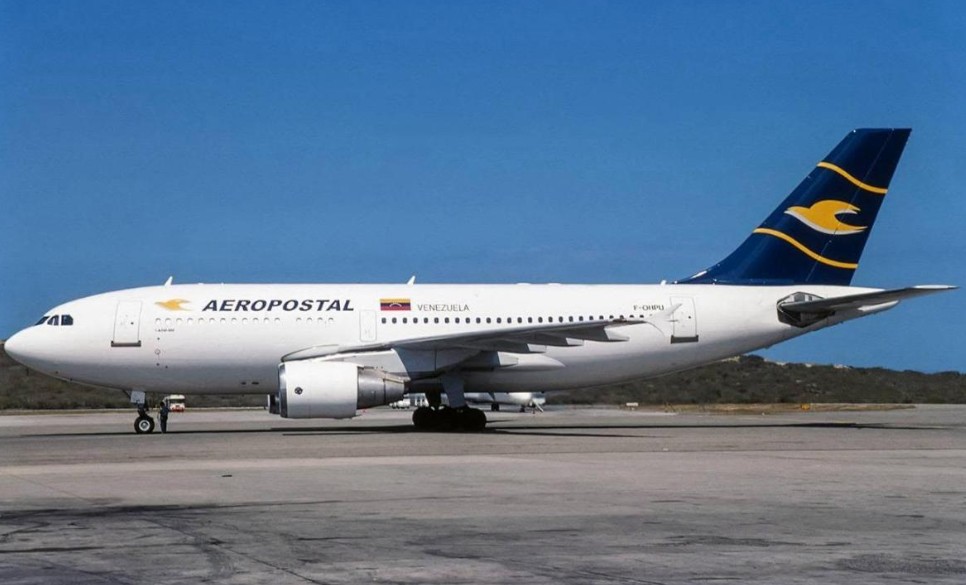
Aeropostal
Ramiz, who also supported the Dutch Caribbean airline DAE during its development and served as a member of the Board of Governors of the International Air Transport Association, says the reopening of routes to the United States fundamentally changes the outlook for Venezuelan aviation.
“The return of routes to cities like Miami, New York or Houston is news we should all celebrate,” Ramiz said. “The United States is the largest aviation market in the world, and there has always been a natural flow of passengers driven by tourism, business and family ties. Cutting that connection for more than six years forced travelers to pay more and fly through unnecessary connections.”
According to Ramiz, the renewed access to the U.S. market will stimulate competition, lower fares and significantly increase both passenger and cargo volumes. He points to the large Venezuelan diaspora in the United States and the gradual reactivation of strategic sectors such as oil and energy as key drivers of future demand.
At the same time, he cautions that Venezuelan airlines remain constrained by structural limitations. Venezuela is still classified as Category 2 in terms of operational safety oversight, which prevents local airlines from operating their own aircraft and crews on flights to the United States.
“For now, U.S. airlines will be the main beneficiaries,” Ramiz explained. “Venezuelan carriers will have to operate under wet lease arrangements until the country regains Category 1 status.”
Ramiz expressed conditional support for a future Open Skies agreement between Venezuela and the United States, stressing that such an arrangement must be based on fair and balanced conditions. In his view, increased international competition would force long-overdue modernization within the domestic aviation sector.
“Today there are too many small airlines operating outdated fleets,” he said. “Venezuela should consolidate into no more than three strong carriers, equipped with modern aircraft and operating under international standards.”
He also underscored the critical role of the state in enabling sustainable growth. According to Ramiz, investment in airport infrastructure must go beyond cosmetic upgrades. “It’s not enough to make airports look nicer. They must be modernized to handle growth,” he said. He added that the aviation regulator must also be strengthened through professionalization, improved supervision and clear, consistent rules for all operators.
Regarding his own plans, Ramiz confirmed that preparations are already well underway. He is currently coordinating two teams: one based in Venezuela focused on flight operations, airports and maintenance, and another in Miami responsible for financial and administrative planning. He also revealed that a potential investment fund is involved in the project.
While the possible revival of Aeropostal is under consideration, Ramiz emphasized that the project is not tied to any single brand. “The plan is based on market needs,” he said. “It could be Aeropostal, Conviasa, or even a completely new airline with a clean operating certificate. What matters is building a solid and sustainable operation.”
Ramiz was unequivocal about his intentions. “I am going to return,” he said. “We want to contribute once again to the development of Venezuelan aviation and the country itself. Conditions are changing, and we want to be part of this new phase.”
For the wider Caribbean, including Curaçao and the region’s aviation hubs, Ramiz’s return and the reopening of U.S.–Venezuela airspace could have far-reaching implications, potentially reshaping traffic flows, connectivity and competitive dynamics across the southern Caribbean in the years ahead.
